The ZyG Blog
The ZyG Blog
The ZyG Blog

Amazon Is a Powerful Marketplace. It’s Not a Growth Machine.
Amazon Is a Powerful Marketplace. It’s Not a Growth Machine.
Amazon Is a Powerful Marketplace. It’s Not a Growth Machine.
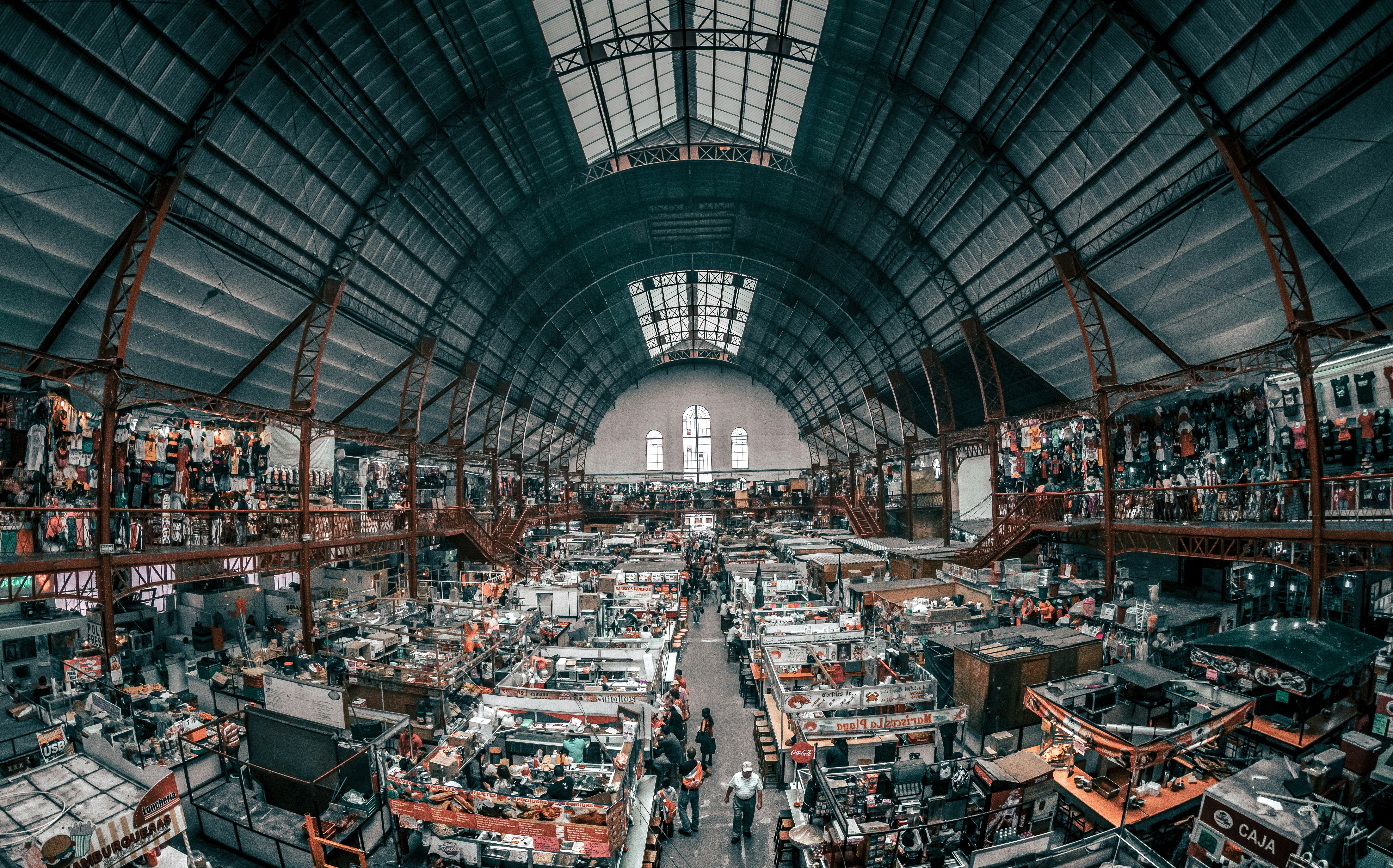
Amazon is one of the most efficient distribution systems ever created. It aggregates demand at massive scale, captures high-intent buyers, and reduces friction in ways that are nearly impossible for an individual company to replicate on its own. But there’s an important distinction that often gets lost: Selling and scaling are different challenges.
Selling on a Marketplace
Marketplaces are designed for standardization. Listings follow the same format and products sit side by side in an environment that emphasizes comparison, reviews, and price. That consistency builds trust and drives conversion.
But it compresses differentiation, as consumers scan your product in the context of many similar options. You don’t control the surrounding customer journey or own the customer relationship. And you don’t own the data, an incredibly important part of building a long-term relationship with your customers.
Scaling as a Brand
Growth infrastructure is what allows companies to move from sales to scale, building a brand, creating demand and nurturing customer relationships over time.
To achieve scale, you need to pull all the growth levers: brand, store, creatives, user acquisition, organic growth, conversion and retention. To be effective,these growth levers need to be in a feedback loop with each other to constantly improve and optimize.
Brand: Ensuring your brand actually works in a direct-to-consumer context. The look and feel, messaging, and positioning all need to translate beyond a thumbnail and bullet points. They need to communicate value clearly and consistently across touchpoints.
Store: A DTC storefront isn’t just a checkout page. It’s a controlled brand environment, where narrative, pricing, visuals, conversion funnels, and trust elements work together.
Creatives: Effective creatives, whether video or static, necessitate constant optimization as the system learns from actual customer behavior (for example, signals from UA campaigns) and continuously improve and iterate.
Paid growth: Paid marketing allows you to reach specific customer segments with precision, based on behavior, demographics, interests, and intent signals. This allows you to focus spend on the audiences most likely to convert and scale efficiently.
Organic growth: SEO, GEO and influencers build discoverability outside of any single platform. Over time, they compound and strengthen brand equity.
Conversion: An optimized funnel and customer journey turn traffic into customers. Over time, incremental gains compound and strengthen revenue performance.
Retention: Keeping an existing customer is less expensive than acquiring a new one, but for that, customers need to have an outstanding experience, strong customer service, and ongoing email/SMS communication from the brand.
This is what infrastructure looks like in practice: brand identity that works in the DTC landscape, a store that converts, creatives that reinforce positioning, organic channels that compound, paid channels that scale efficiently, and retention systems that extend lifetime value. Each element strengthens the others.
Brands that rely on marketplaces compete within someone else’s system. Brands that use a growth infrastructure build their brand, demand and customer experience, which are all key to scaling into successful brands.
Amazon is one of the most efficient distribution systems ever created. It aggregates demand at massive scale, captures high-intent buyers, and reduces friction in ways that are nearly impossible for an individual company to replicate on its own. But there’s an important distinction that often gets lost: Selling and scaling are different challenges.
Selling on a Marketplace
Marketplaces are designed for standardization. Listings follow the same format and products sit side by side in an environment that emphasizes comparison, reviews, and price. That consistency builds trust and drives conversion.
But it compresses differentiation, as consumers scan your product in the context of many similar options. You don’t control the surrounding customer journey or own the customer relationship. And you don’t own the data, an incredibly important part of building a long-term relationship with your customers.
Scaling as a Brand
Growth infrastructure is what allows companies to move from sales to scale, building a brand, creating demand and nurturing customer relationships over time.
To achieve scale, you need to pull all the growth levers: brand, store, creatives, user acquisition, organic growth, conversion and retention. To be effective,these growth levers need to be in a feedback loop with each other to constantly improve and optimize.
Brand: Ensuring your brand actually works in a direct-to-consumer context. The look and feel, messaging, and positioning all need to translate beyond a thumbnail and bullet points. They need to communicate value clearly and consistently across touchpoints.
Store: A DTC storefront isn’t just a checkout page. It’s a controlled brand environment, where narrative, pricing, visuals, conversion funnels, and trust elements work together.
Creatives: Effective creatives, whether video or static, necessitate constant optimization as the system learns from actual customer behavior (for example, signals from UA campaigns) and continuously improve and iterate.
Paid growth: Paid marketing allows you to reach specific customer segments with precision, based on behavior, demographics, interests, and intent signals. This allows you to focus spend on the audiences most likely to convert and scale efficiently.
Organic growth: SEO, GEO and influencers build discoverability outside of any single platform. Over time, they compound and strengthen brand equity.
Conversion: An optimized funnel and customer journey turn traffic into customers. Over time, incremental gains compound and strengthen revenue performance.
Retention: Keeping an existing customer is less expensive than acquiring a new one, but for that, customers need to have an outstanding experience, strong customer service, and ongoing email/SMS communication from the brand.
This is what infrastructure looks like in practice: brand identity that works in the DTC landscape, a store that converts, creatives that reinforce positioning, organic channels that compound, paid channels that scale efficiently, and retention systems that extend lifetime value. Each element strengthens the others.
Brands that rely on marketplaces compete within someone else’s system. Brands that use a growth infrastructure build their brand, demand and customer experience, which are all key to scaling into successful brands.
Are you a product innovator, entrepreneur or DTC brand seeking scale?
Are you a product innovator, entrepreneur or DTC brand seeking scale?